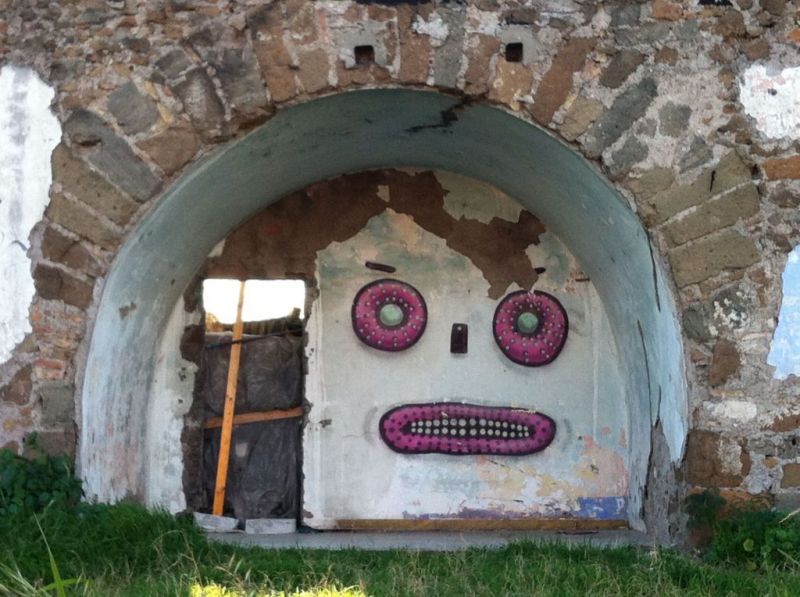
Negli anni della mia prima adolescenza, nel fine settimana, andavo abbastanza spesso con i miei zii a Rocca di Papa, dove loro avevano comprato una casa per passarci appunto le giornate festive.
Rientravamo a Roma, in genere, la domenica sera dopo cena. Percorrendo la Via Tuscolana in direzione del centro, a un certo punto si passa sotto gli archi dell'Acquedotto Felice. Subito dopo, sulla destra, inizia una strada da cui, all'epoca, non era insolito vedere uscire qualche persona dall'aspetto poco rassicurante. Percepivo, nei miei zii, la voglia di allontanarsi il prima possibile da quei luoghi. Per me quella strada, Via del Mandrione, è rimasta per anni un luogo misterioso, da cui tenersi lontani. Era un simbolo di degrado e povertà. Poi, circa un anno fa, guidato dal navigatore satellitare, l'ho percorsa, come molti fanno nelle ore di punta della mattina, le uniche in cui la strada è soggetta a un forte traffico, per raggiungere la Casillina vecchia e poi Porta Maggiore. E ho scoperto un luogo ameno, quasi unico per essere in una zona che, pur non essendo centrale, non è neanche estrema periferia; un luogo dove vale assolutamente la pena andare, magari per una pedalata.
La storia di Via del Mandrione ha una precisa data di inizio, il 19 luglio 1943, giorno in cui si lega a quella di San Lorenzo.
Fino alla seconda guerra mondiale nella zona vi era un prato dove un tempo veniva tenuta una mandrai, anzi una grossa mandria (mandrione appunto di bestiame). La zona si trova stretta tra l'antico Acquedotto Felice e la ferrovia,quindi un poco isolata dal resto della città.
 |
| Bombardamento di San Lorenzo |
Il 19 luglio 1943 un pesantissimo bombardamento da parte dell'aviazione alleata colpì il quartiere San Lorenzo, uccidendo circa 3000 persone e costringendone molti altri, la cui casa era stata distrutta, a cercare riparo altrove. Molti trovarono riparo sotto gli archi dell'acquedotto che dalla vicina Porta Maggiore portava verso il Mandrione. Gli archi offrivano riparo dalle intemperie e l'acqua dell'acquedotto era all'epoca ancora potabile. La presenza di prati dava inoltre la possibilità di coltivare un orto. Sorsero quindi delle baracche di fortuna come abitazioni provvisorie e si svilupparono anche piccole attività artigianali, talvolta realizzando le botteghe murando gli archi dell'acquedotto.
 |
| Le baracche del Mandrione |
Finita la guerra, però, queste baracche continuarono ad essere abitate e vennero progressivamente occupate da zingari, prostitute, poverissimi immigrati dalle campagne. In breve la zona andò incontro ad un degrado pesantissimo.
 |
| Pasolini al Mandrione |
Fu Pier Paolo Pasolini, personaggio sicuramente discutibile e discusso ma intellettuale di rara acutezza a far conoscere la situazione del Mandrione all'Italia intera scrivendone su
Pagine corsare. Oltre a ciò vi ambientò anche numerose scene dei suoi film. Di tutti i luoghi di roma da lui frequentati, il Mandrione è sicuramente uno di quelli
Fu dalla metà degli anni '70 del secolo scorso che l'opera di alcuni coraggiosi operatori sociali, tra cui una che ho conosciuto personalmente, dal dott.ssa Zammataro, iniziò a porre rimedio alla situazione.
Gli abitanti della zona vennero trasferiti in case degne di questo nome e le baracche vennero demolite. La Banca d'Italia realizzò il centro sportivo per i suoi dipendenti in uno spazio precedentemente dato in comodato ai salesiani.
 |
| Mandrione-Casilina vecchia oggi |
 |
| Mandrione-Casilina vecchia oggi |
 |
| Mandrione-Casilina vecchia oggi |
 |
| Mandrione-Casilina vecchia oggi |
Dell'epoca delle baracche sono rimaste alcune botteghe artigiane, alcune trasformate in laboratori artistici e altre in attività di ristorazione che la sera creano problemi di altro tipo per l'affllusso di appassionati della
movida. Restano problemi quali la mancanza di un adeguato sistema fognario, cosa incredibile considerando che Roma è stata la prima città al mondo a dotarsi di fogne efficienti con la Cloaca Massima, costruita oltre 2500 anni fa e ancora funzionante.
E' comunque un luogo che merita sicuramente una visita anche per comprendere perché Roma, comunque e in ogni caso, contina a rimanere una città unica al mondo